Products · All Laser Marking Machines
Industrial Laser Marking Machines
Find the right marking system. Compare fiber, UV, CO₂, MOPA and portable handheld machines, read the wavelength and power guide, and build the configuration your production actually needs.
01 — Machine Range
Five machine families. Options for your application.
Each machine is chosen by material, contrast requirement and part size. All share the same marking software, rotary and automation options.
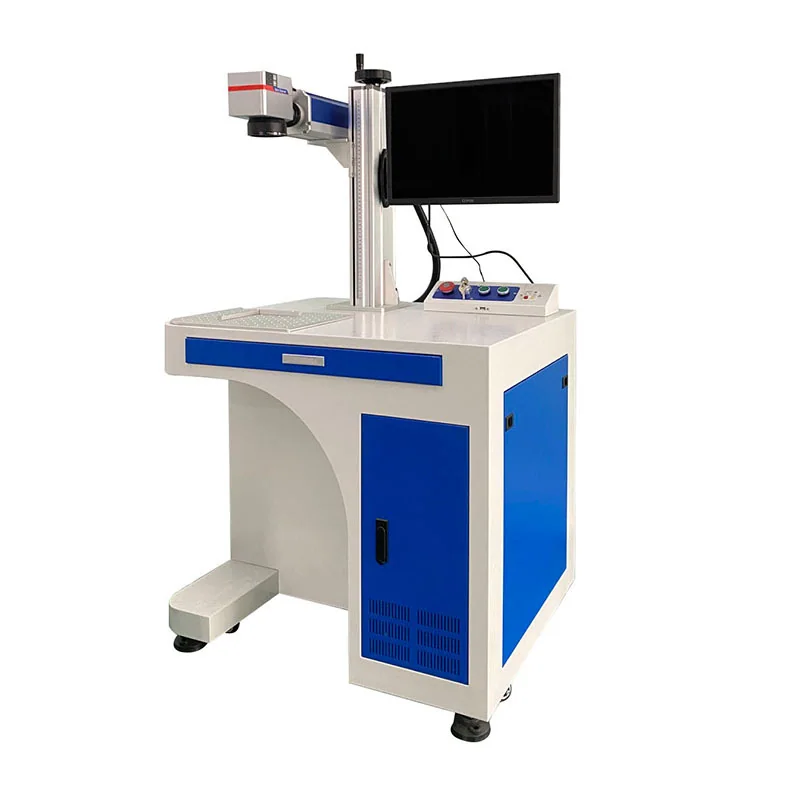
Fiber · 1064 nm
Fiber Laser Marking Machine
The standard for metal marking — serial numbers, logos and deep engraving on steel, aluminum and alloys.
View machine →
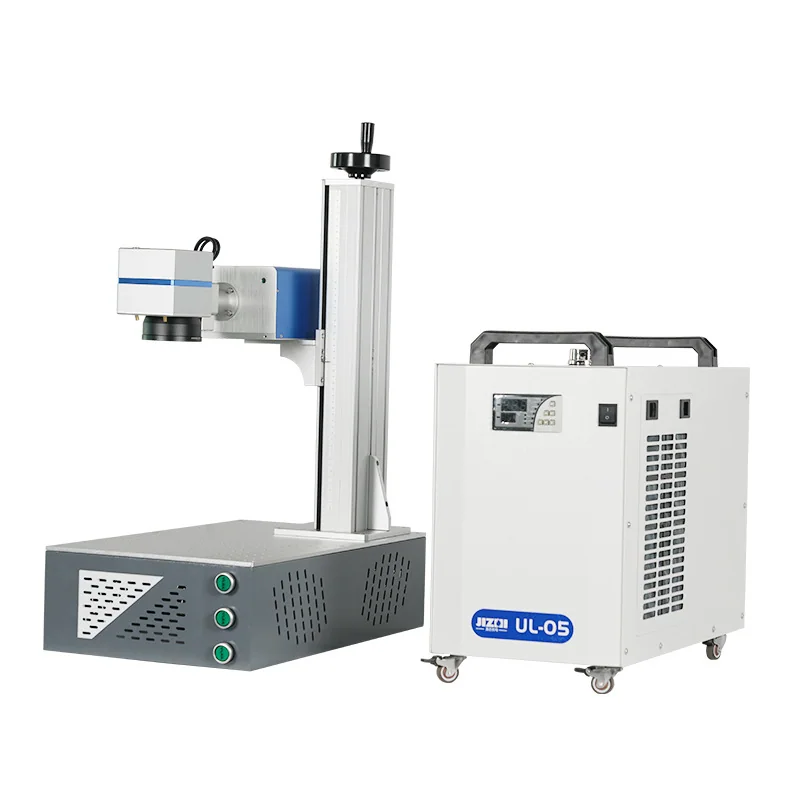
UV · 355 nm
UV Laser Marking Machine
Fine marking with controlled heat input on suitable plastics, coated surfaces and electronics; test the actual material.
View machine →
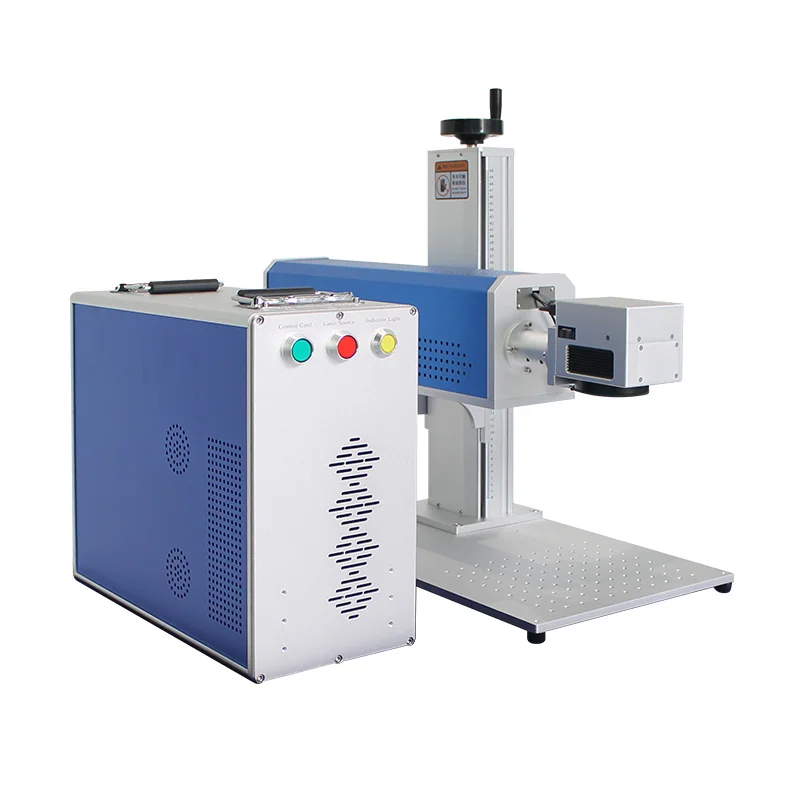
CO₂ · 10.6 µm
CO₂ Laser Marking Machine
The choice for wood, leather, acrylic and paper packaging — permanent marking on organic materials.
View machine →
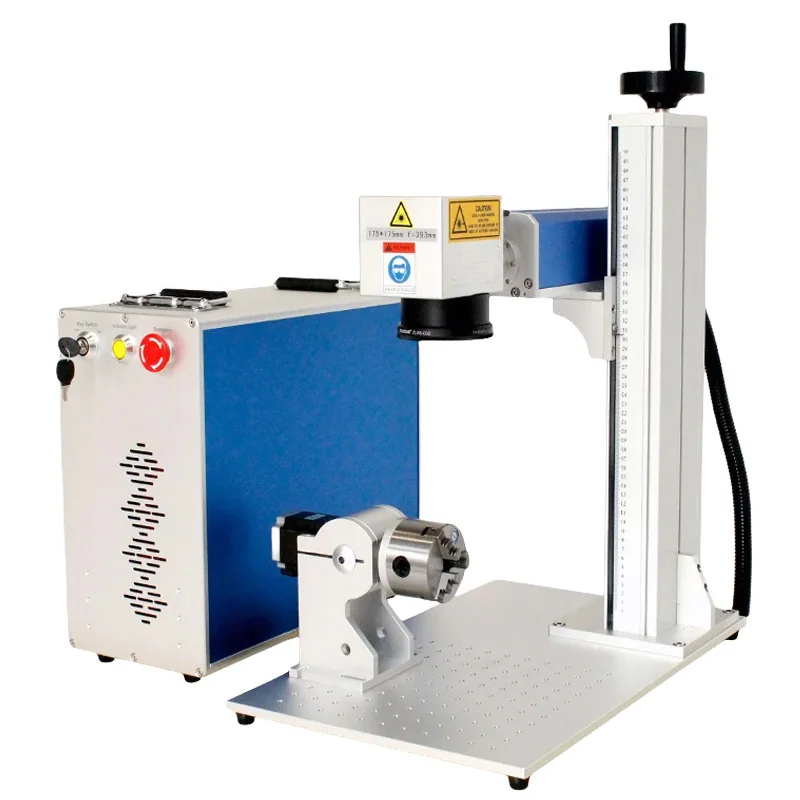
MOPA Fiber
MOPA Fiber Laser
Adjustable pulse control for metal color effects, dark marks on selected anodized aluminum and fine engraving.
View machine →
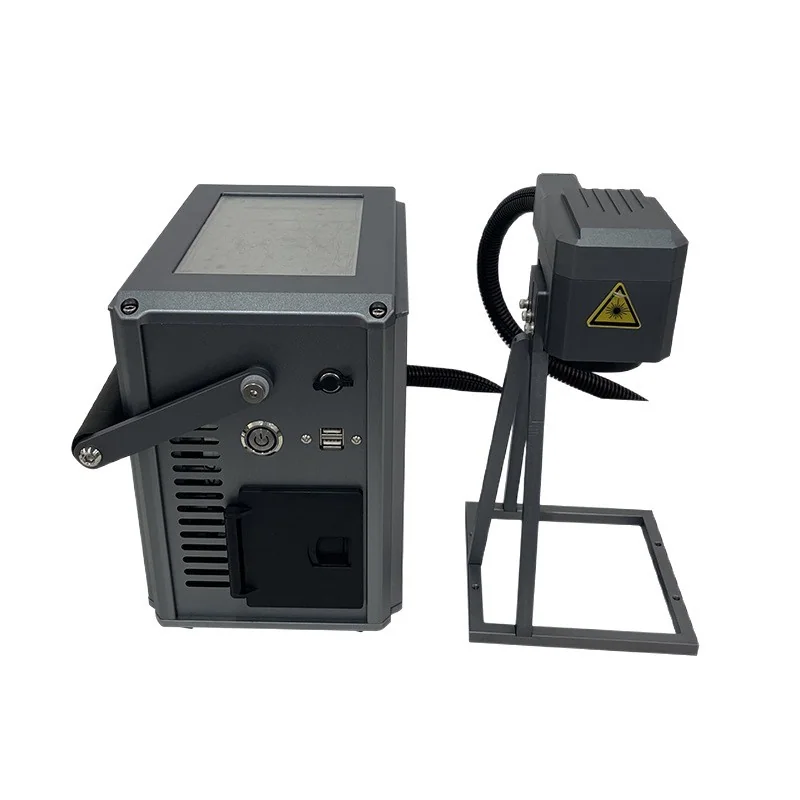
Portable
Portable / Handheld Laser
Take the laser to the workpiece — for large, heavy or installed parts that cannot be moved.
View machine →
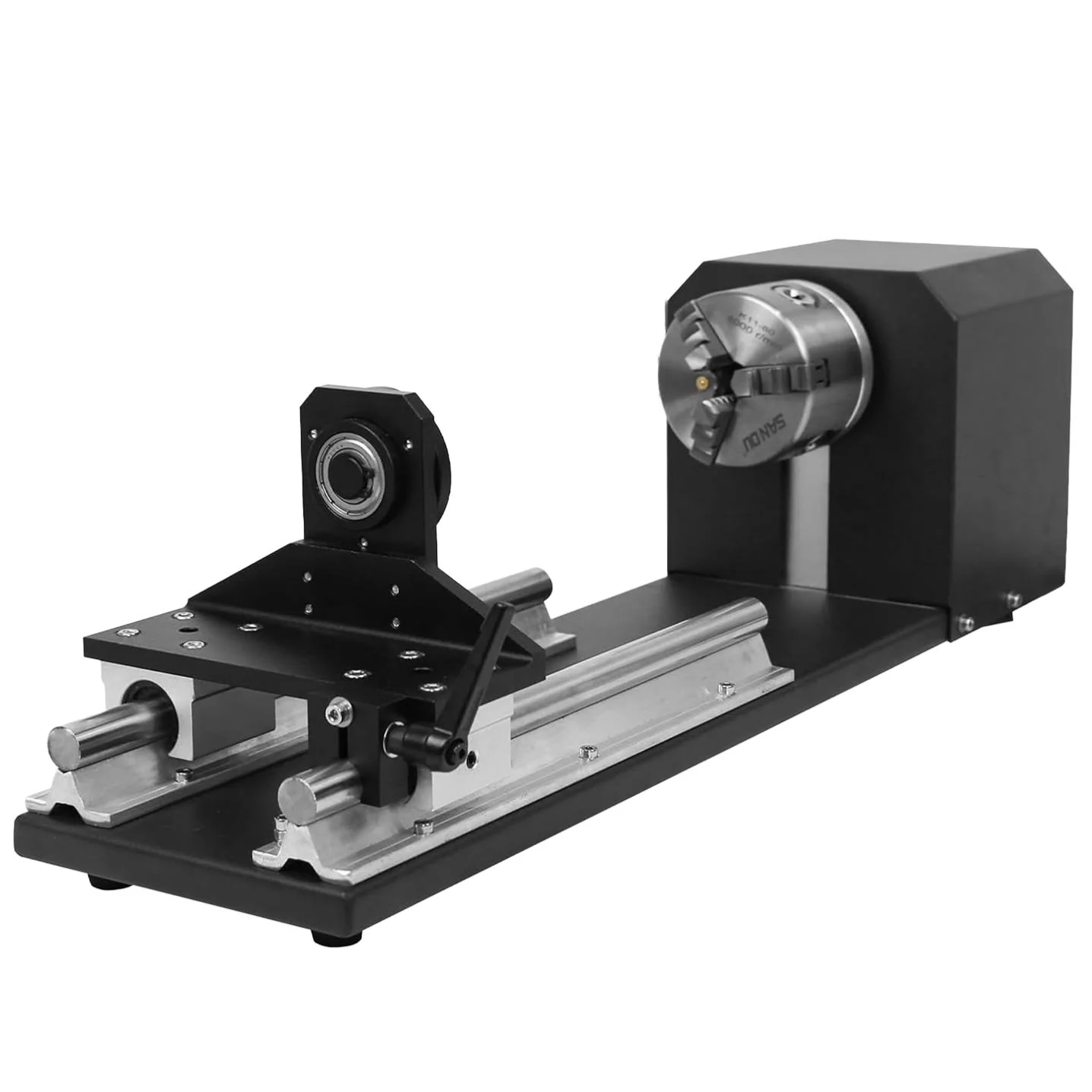
Add-ons
Accessories & Options
Rotary axis, safety enclosure, dust extraction, barcode scanner and automation integration.
View options →
02 — How to Choose
Three questions pick the right machine
Start with the material, then the contrast you need, then the part size and volume. A free sample test on your own part removes the guesswork.
By Wavelength
What is the part made of?
- ▍Fiber 1064 nm — metals: steel, aluminum, copper, brass, titanium.
- ▍UV 355 nm — plastics, glass, ceramics and heat-sensitive electronics.
- ▍CO₂ 10.6 µm — wood, leather, paper, acrylic and packaging.
By Power
Deep mark or fast cycle?
- ▍20 W — fine detail, jewelry and low-heat marking.
- ▍30 W — general production marking, the balanced choice.
- ▍50–60 W — deeper engraving and higher throughput.
By Material
Not sure? Test it.
Send a few parts and your marking file. We mark them, tune the parameters, and return the samples with a machine recommendation.
Materials guide →| Laser Source | Typical Wavelength | Best For | Machine |
|---|---|---|---|
| Fiber | 1064 nm | Metals, deep engraving, fast marking | Fiber → |
| UV | 355 nm | Plastics, glass, electronics, cold marking | UV → |
| CO₂ | 10.6 µm | Wood, leather, paper, acrylic | CO₂ → |
| MOPA Fiber | 1064 nm | Stainless-steel color effects, anodized-aluminum contrast, fine metal work | MOPA → |
| Handheld Fiber | 1064 nm | Large, heavy or installed parts on site | Handheld → |
03 — Accessories
Options that fit the production line
Accessory compatibility depends on the machine, controller and application. Rotary fixtures, focus mechanisms, enclosures, extraction and production interfaces are specified for the selected configuration.
Rotary Axis
360° marking on pens, rings, sleeves and shafts.
Safety Enclosure
Interlocked Class 1 housing for workshop operation.
Fume Extraction
Keeps the workstation clean during engraving.
Conveyor & Vision
In-line, sensor-triggered marking with barcode reading.
Tell us your part — we recommend the machine
Send the material, part size and marking content. We reply with the recommended source, power, lens and configuration — and test your samples first if you want proof.