AODEQI · INDUSTRY APPLICATIONS
Laser Engraving and Marking for Jewelry
Evaluate laser engraving for rings, pendants and precious-metal parts. Review alloy, finish, rotary access, cosmetic inspection and sample testing.
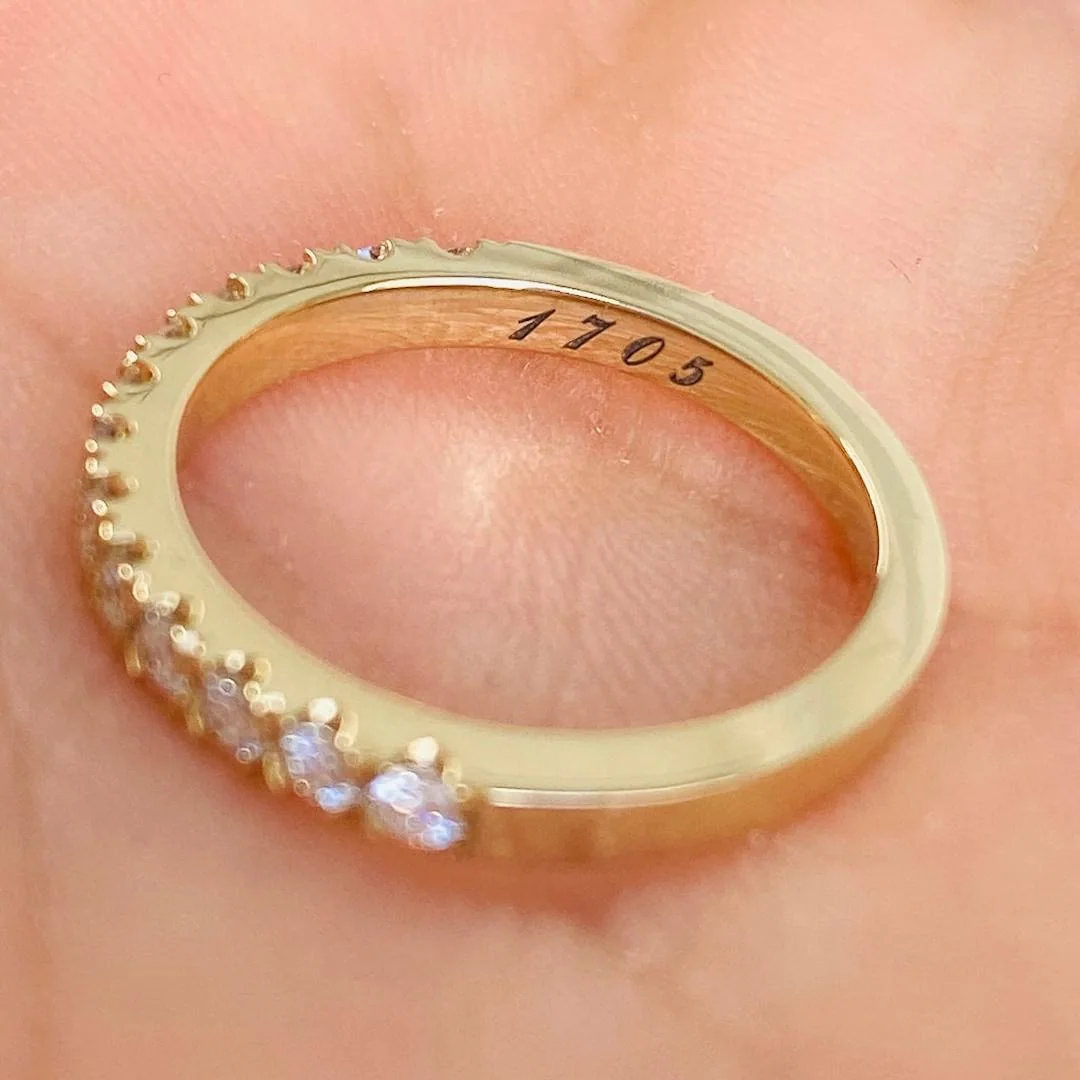
Jewelry marking combines limited space, valuable materials and strict cosmetic expectations. A small inscription inside a ring has different access and positioning needs from a filled pendant logo or a production identifier on a flat tag. AODEQI evaluates laser engraving for jewelry using representative alloys, actual artwork and the required finished appearance. The selected system may involve a fiber or MOPA source and a compatible rotary fixture. The important result is an approved process that respects the piece's geometry, surface finish and permitted marking area.
Define the engraving and cosmetic requirement
Provide the smallest text, logo detail, available space, orientation and desired depth or contrast. Explain whether the mark is personal text, a brand identifier, a serial number or another controlled inscription. For marks subject to hallmarking or precious-metal rules, obtain the necessary authorization and requirements from the relevant responsible body; the laser supplier does not certify metal fineness or grant hallmark rights. Identify any surfaces that must remain untouched and describe the inspection lighting and cosmetic criteria that will be used to accept the finished piece.
Match the laser to the alloy and finish
Fiber laser marking can be evaluated for suitable gold, silver, brass, stainless steel and other metal surfaces. Alloy composition, plating, polishing and thickness influence the outcome. MOPA fiber can provide additional pulse control for selected contrast or decorative effects, but it should not be sold as producing arbitrary colors on every precious metal. Submit representative pieces and define the permitted surface change. If a component includes a non-metal coating, stone, adhesive or another sensitive feature near the marking area, include that information in the evaluation.
Plan inner-ring and curved-surface access
Ring inner engraving laser applications require a workable relationship between the marking head, focus and part holder. Confirm ring dimensions, profile, weight and any features that limit clamping or access. A rotary accessory must be compatible with the controller and software and appropriate for the intended sequence. Pendant laser marking may instead use a dedicated fixture for repeatable orientation. The fact that a part fits a chuck does not establish that the laser can reach the required area with acceptable geometry and surface quality.
Illustrative application workflow: a personalized ring
A ring evaluation can start with the approved alloy, an inscription file and the permitted internal area. The supplier demonstrates the proposed fixture and focus arrangement on an agreed representative sample. The result is checked for text shape, position, surface appearance and any relevant dimensional effect. If later polishing is planned, the sample is inspected after that step as well. This is an illustrative workflow, not a verified customer case or a promise for every ring profile. Valuable production pieces should follow an agreed test and approval procedure.
Evaluate detail, durability and full handling time
Laser marking on gold and silver may look acceptable in a close-up while failing a cosmetic inspection at the expected viewing angle. Review edges, consistency, surrounding finish and the agreed depth. Confirm whether subsequent cleaning, polishing or surface treatment changes the result. Measure loading, positioning, marking and unloading together, particularly when each item carries different personal text. Discuss how the operator checks that the correct inscription belongs to the correct piece. An isolated marking-time figure does not represent the complete personalization or production sequence.
Use sample media that shows the complete result
Request a clear image of the whole item, a close-up of the mark and a video that makes access and positioning understandable. Retain an approved physical sample where appropriate. The reference ring image on this page illustrates an engraving format; it does not establish that an unidentified alloy, plating or shape has already been tested. Our rotary marking guide explains the information needed for curved parts. Ask for the actual configuration and process conditions behind any sample that forms part of a quotation.
Prepare a jewelry engraving request
Send the alloy or fineness information, plating and finish details, dimensions, photographs and engraving file. Identify the desired depth, smallest feature, cosmetic acceptance method and production quantity. Explain whether the project involves mixed sizes, variable inscriptions or a fixed logo. AODEQI can then discuss source and fixture options and arrange a sample test. The quotation should confirm the selected configuration, compatible accessories, software scope and support arrangements, helping your team compare the complete engraving solution rather than only the nominal laser power.